0 likes
No Comments


“A cloudless plain blue sky is like a flowerless garden” – Terri Guillemets
The Grand Staircase Monument was established in 1996 by the Clinton administration and originally encompassed more than 1.8 million acres. Unfortunately the greed and shortsightedness of the current administration has reduced the monument by 47%.
I wanted to visit the area for my spring trip to Utah so did some general research into possible explorations. It is sooo vast, similar to the Death Valley area in that excursions mean getting into the jeep and driving to get to trailheads and points of interest. While highway 12 and 89 dissect the area east to west and north to south, much of the access requires driving on unimproved roads for miles. In dry conditions these roads are typically washboarded which was no problem for our jeep but would jar the mirrors off a street car if driven more than 15 – 20 mph. As the time for the trip drew close it became clear that there would be some weather accompanied by uncertainty, drama saturated skies and impassible roads. The fore mentioned roads consist mostly of clay which when wet will coat the most aggressively treaded tire with a thick layer of slick mud that essentially removes any traction whether from fours wheels or two. It was with this backdrop that we happily embarked.
The ‘we’ for this trip was myself and my son James. I was very happy for the nature of the trip to become less a photography outing and more time with adventures shared and memories created though there were were many photographs taken.
Our first evening was spent exploring the hoodoos down the road from our campsite on BLM land. I found the composition for Garden View after we had hiked around a bit and settled in with my GFX 50s setting up for last light to bring some warm glow to the hoodoos and terrain behind. The skies were beautiful but were muting the light until it reached just above the horizon and broke through doing its magic on the scene. I captured this with the 23mm at iso 100 1/4 sec at f14.
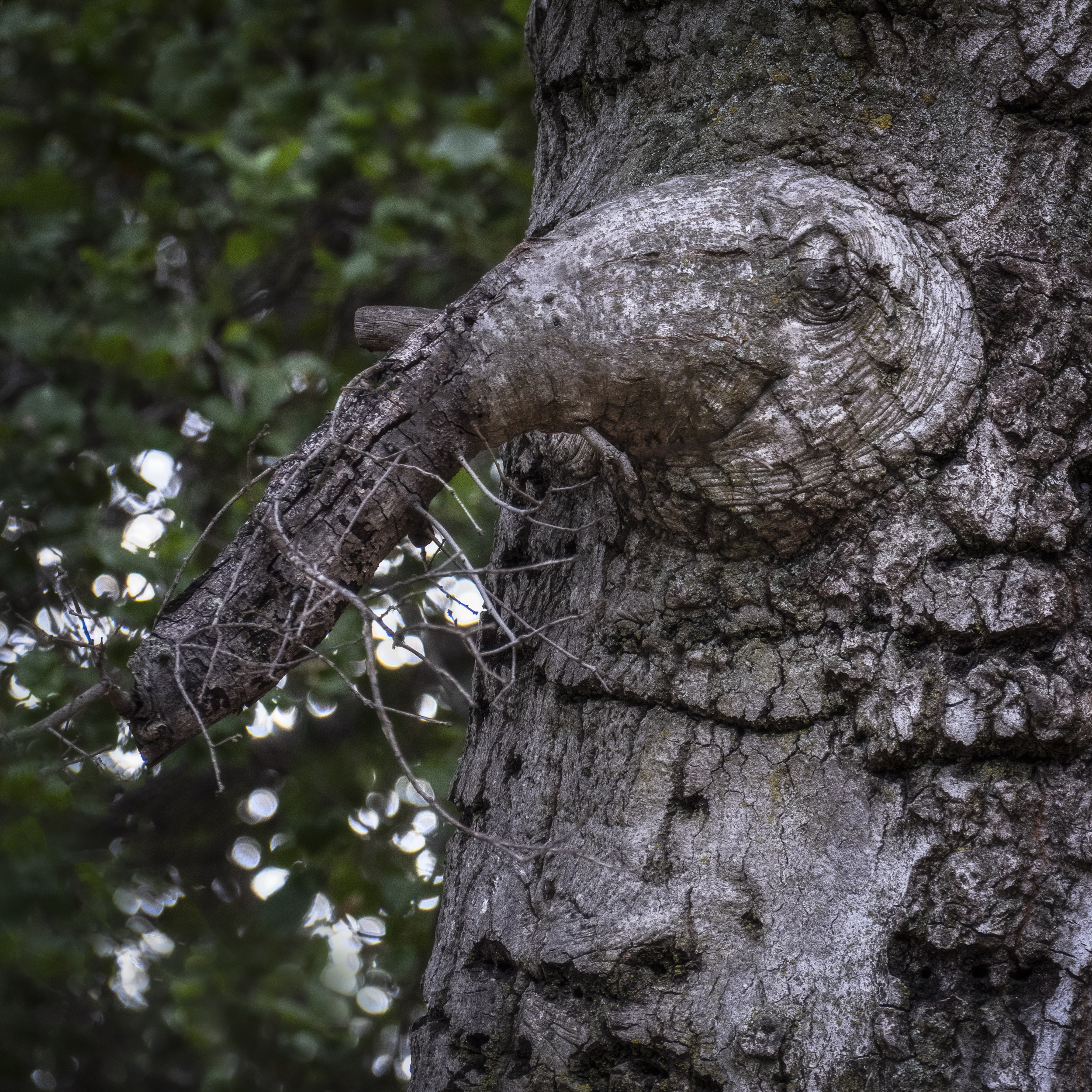
James was off getting images with a wide angle lens so I packed up after the sun had set and walked around the hoodoos with my iPhone xs getting ideas for future visits. The first image, Munchins and second Window into the Blue were taken in the beautiful afterglow and then blue hour light. After getting these uploaded into my computer I was surprised at the quality of these images. I shot them through the Lightroom app so was able to get raw files instead of jpegs giving me the maximum amount of data so I could bring out all the detail in post. Amazing quality for a tiny lens and sensor.
I awoke early and took a solo visit to a water fall that was about a 30 minute drive away to the trail head for a 3 mile hike in to the falls. My research for the light conditions was faulty in that I read that the direct light didn’t arrive at the falls until mid-morning. I was disappointed to arrive to see the harsh light of the direct morning sun blasting the scene. Oh well…I set about to make the most of my being there and found a corner that offered a nice composition and just sat for a while to enjoy being there. After a little while I decided to set up the 4 x 5 and see what I could do with Ektar 100 despite harsh light. I set up with the 125mm to eliminate the sky from the scene that began just past where the falls started. I was able to accurately capture the beautiful colors with a nice composition all while being soothed by the sound of the falls. I will need to return to be in some soft light though which is really the only way to shoot a waterfall. After packing up the 4 x 5 I put the 23mm on the GFX which equates to 17mm giving a much wider angle of view and played around with a fun black and white composition that included the storm clouds that were starting to form. I like this one and it gives me ideas about first or last light with the same composition.
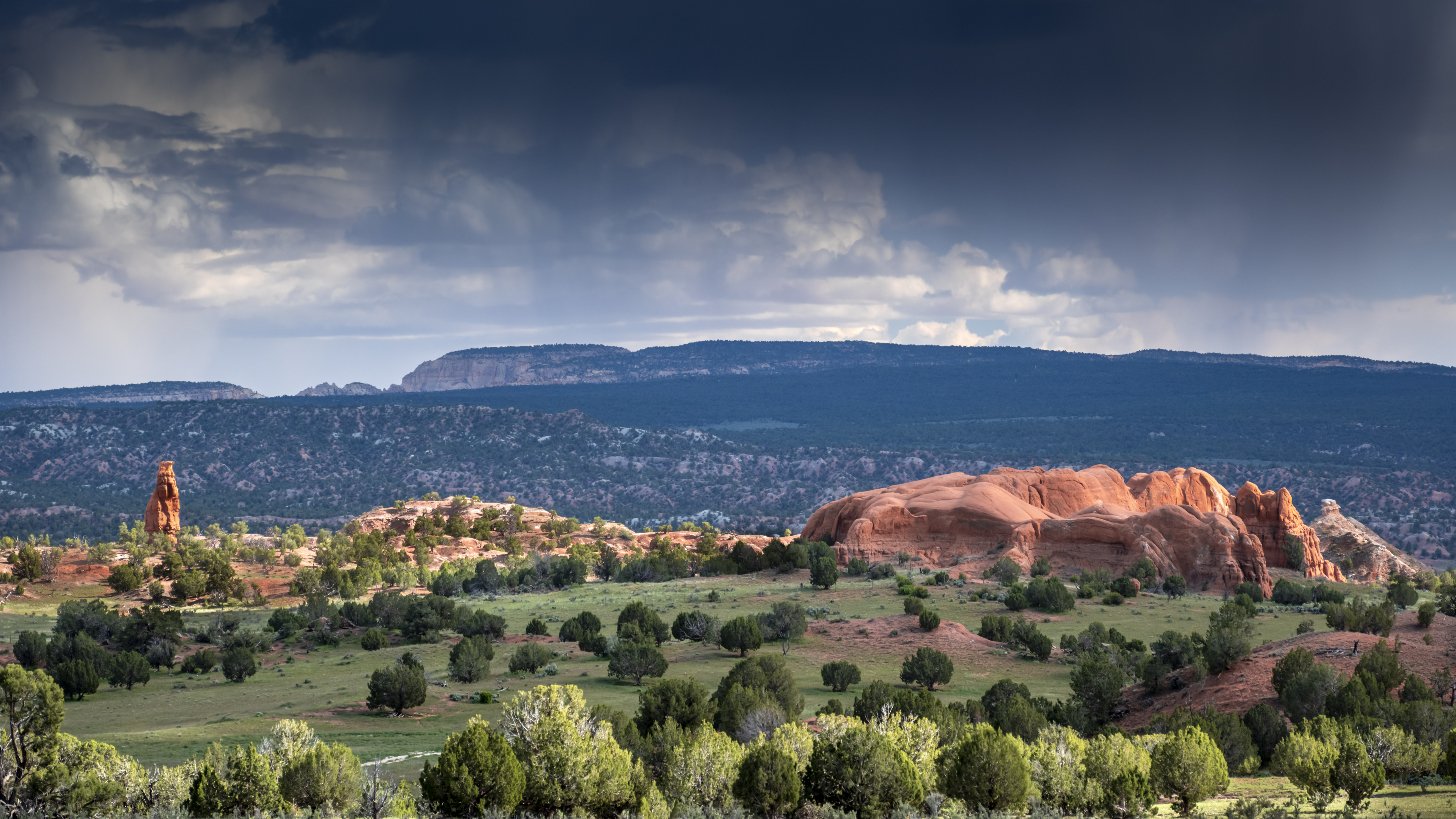
After hiking back out and getting back to the RV for some lunch James and I went for a drive to explore some more of the area along highway 12. There are some great viewpoints with turnouts to appreciate the expansive views. There were some storms roving around the area so the sky offered a pleasing backdrop to the views. I stopped a couple of times and took a few hand held shots, Along 12 and Overlook.
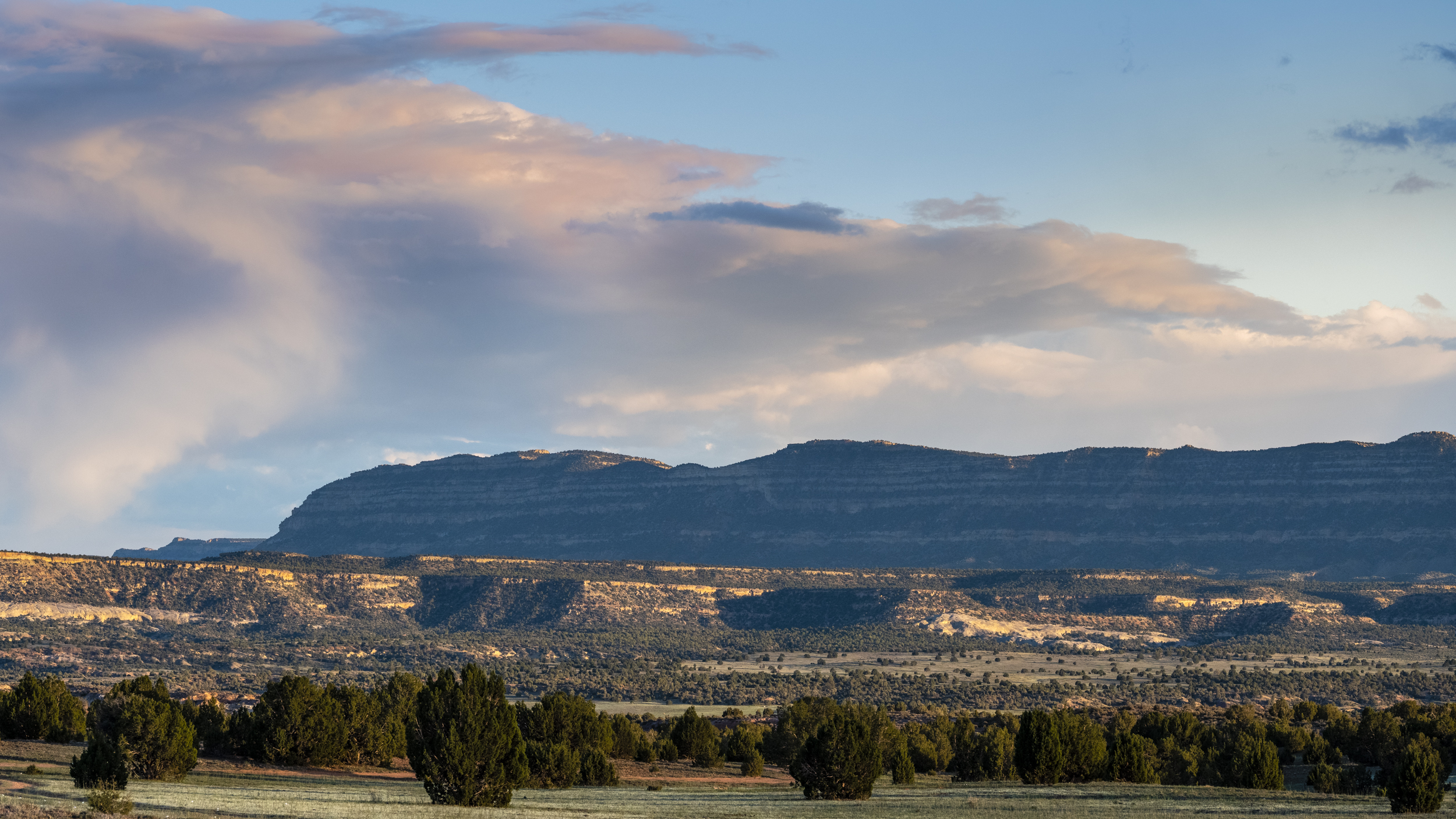
The next morning we headed west on 12 and turned off at the road to Kodachrome to drive further west on a dirt track called Skutumpah road. We stopped at the top of a climb that offered a beautiful view of the basin back to the east. I set up and captured a pano of the basin with fresh snow covering the mesa beyond. After enjoying this view we continued west to visit the narrows at Willis creek. On the way I was appreciating the ability of the jeep to cruise through the still mucked up road from the overnight storms. The hike from the trailhead to the narrows was pretty short and reminded me of the excursions we had in the higher elevations of Zion. Taking advantage of overcast skies I set up the 4 x 5 on a composition and enjoyed some reflected light in this little slot. The narrows only stretched for maybe 75 yards so after we hiked through and played around with some viewpoints looking back towards where we had come, we headed back to the jeep. We had intended to visit Kodachrome Basin later in the afternoon and since that was still some hours away we decided to visit Bryce even though it was not a good time of day for photography. Neither of us had seen it before so we took the chance and drove the hour or so to get there. It was a contrast to the quiet and relative solitude we had experienced to this point of our trip as the tour bus multitudes had descended upon the park. It truly is an extraordinary place and worth a visit.


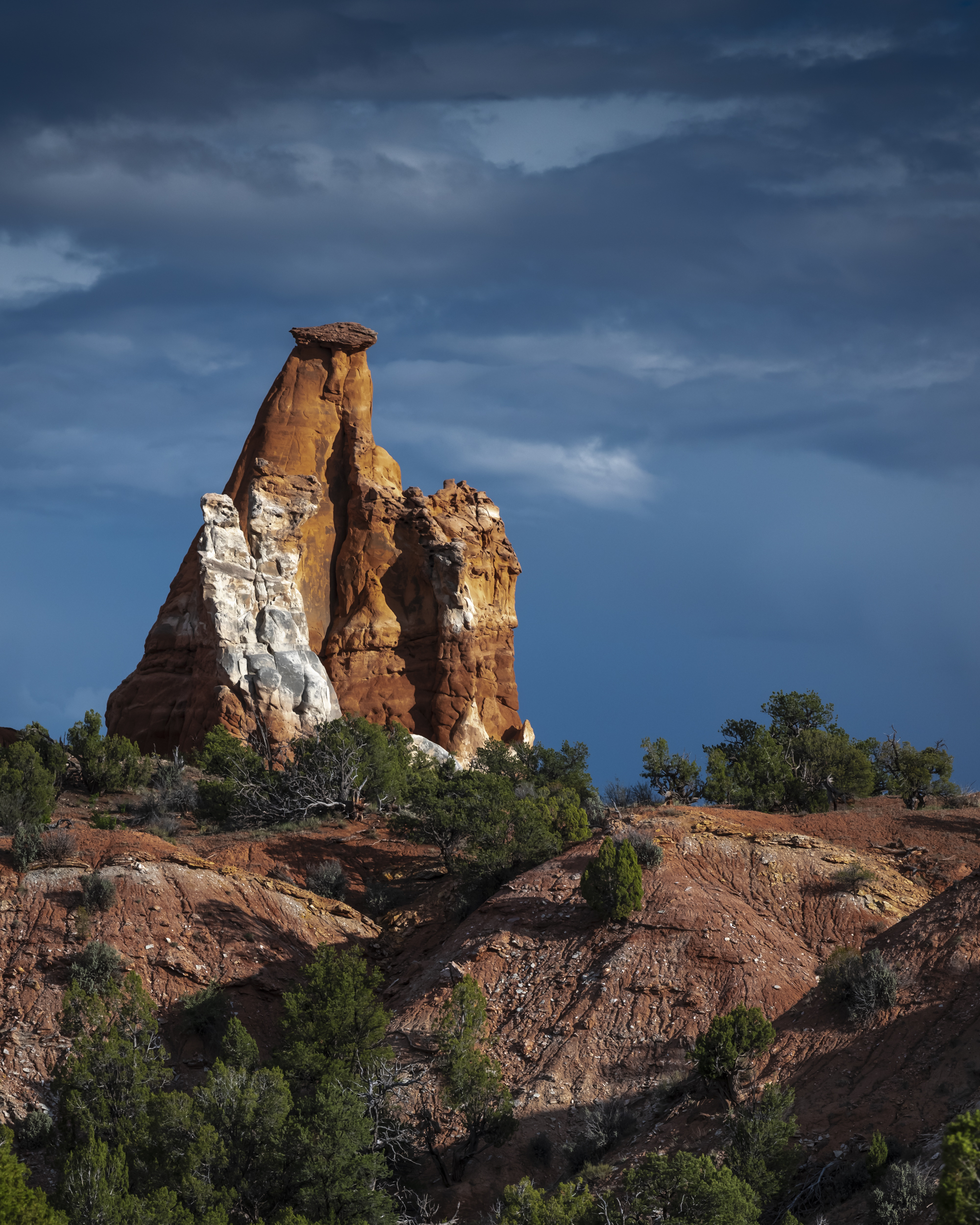
If you want to shoot compositions that have been taken thousands of times before, there are opportunities at first light and sunset with viewpoints with those names to guide you to the best vantage points to take advantage of the light. The vastness of the multitudes of spires and hoodoos saturated in such rich color is a wondrous sight to behold gazing down and across the expanse of the amphitheater. We happily left the hordes and headed back east to Kodachrome. Kodachrome is a state park so we paid our fee and set about to explore the roads. The first we took headed east. After negotiating a small herd of cows with their calves that had strayed onto the park land we stopped and I put the 100- 200 zoom on the Fuji and took a hand held shot of a scene looking south with wonderful late afternoon sunlight breaking through storm clouds to shine on a lone hoodoo in the mid-ground. Stormlight
We then headed further into the park up towards the campground and stopped to hike a trail that led through a garden of chimneys and hoodoos. I left my pack and just grabbed the Fuji that still had the zoom on it and enjoyed capturing some nice light as it highlighted some of the cool formations that are the highlight of this great state park.
After a nice drive back to where the RV was parked, the sky was going off as the sun set so as I was getting my gear out of the jeep I stopped in front of the RV to shoot the view from the front porch of our campsite. It was a long but wonderful day exploring some really beautiful country.
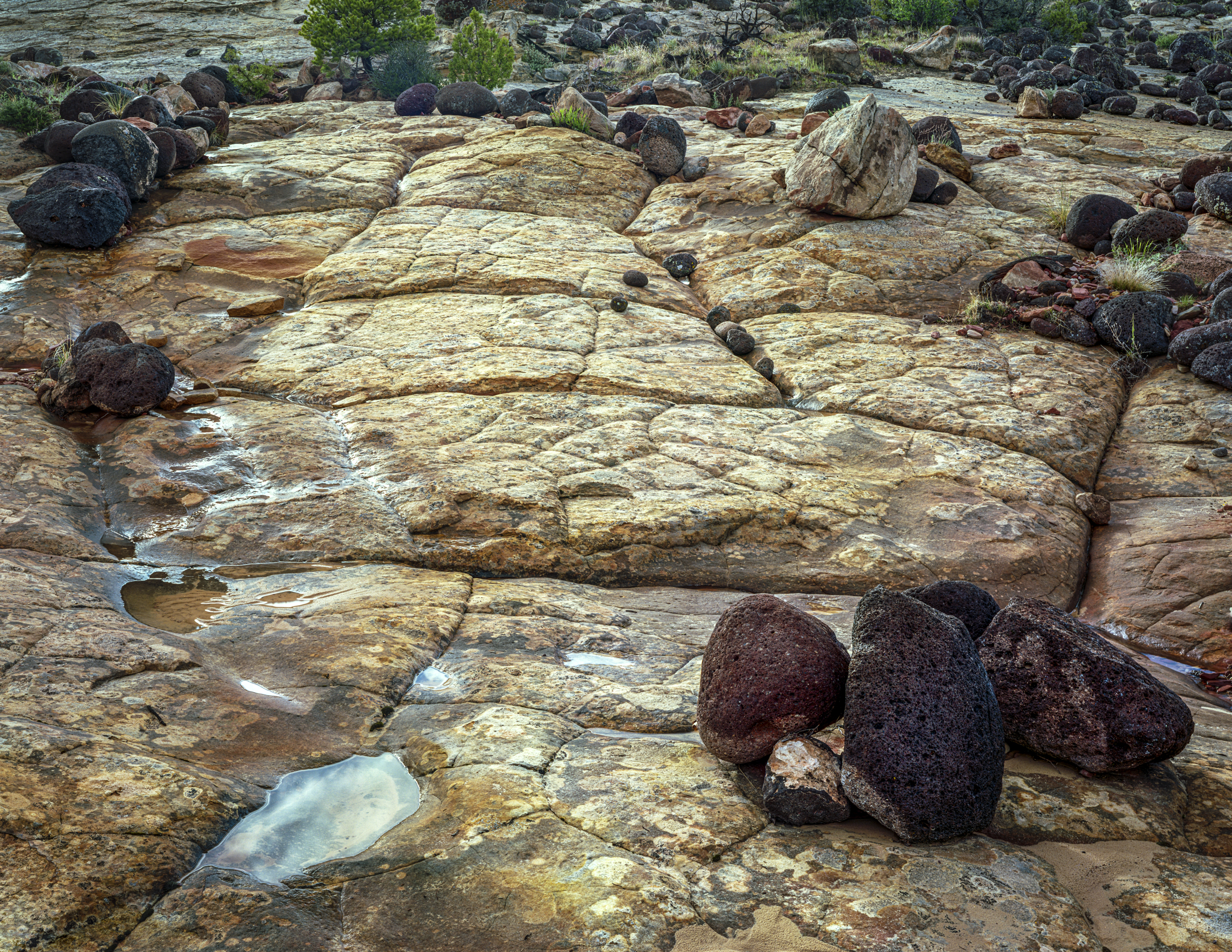
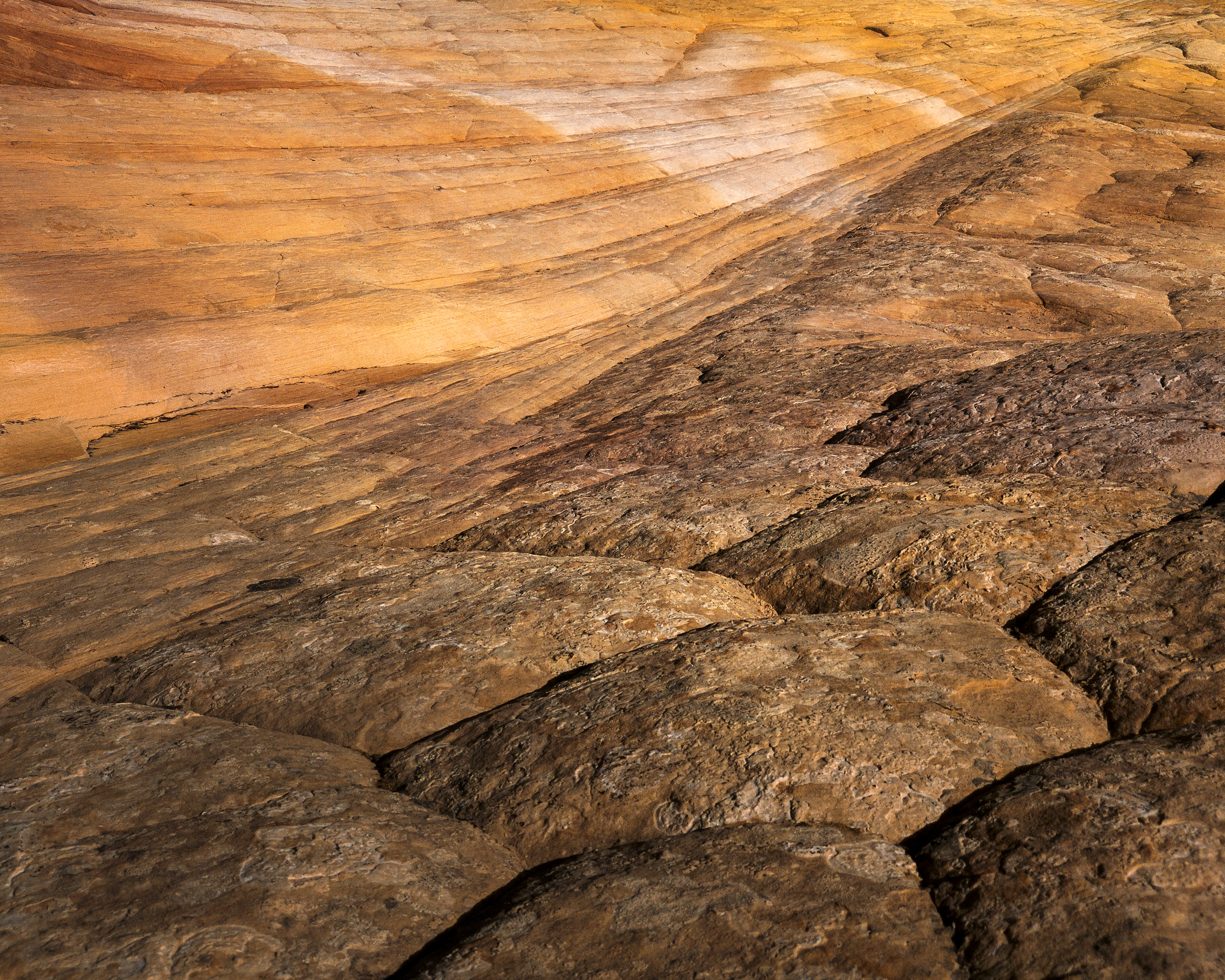
To view high res fullscreen images click here. For some reason this carousel will skip some of the images when you press the arrow buttons so best when the page opens to click on the first image and then proceed.
“Art is standing with one hand extended into the universe and one hand extended into the world and letting ourselves be a conduit for passing energy.” Albert Einstein
In years past I had driven through Lone Pine several times on the way to Mammoth and beyond. I knew of some of the possible photography subjects that are available and thought it was a good destination for a short trip. Since I traveled by myself, as Lisa was in the throws of her busy season, I chose to rent a room in town rather than camp in the RV though when I return I will take advantage of some amazing spots to set up camp in the shadows of the Sierras.
You may be wondering where the video journal is seeing only a photo slider above. I did take some video but I was struggling against it as there is no way around the fact that it takes time away from my photography. I was feeling the pull and still am to delve deeper into furthering my expression of the art so after the first day and a half I did little video. My morning outings were very busy as I set up both cameras with different compositions a couple of the days and I found timing the lighting was very tight, more on that later. When I returned I laid out a video timeline of the first two days but I was again drawn to dig deeper into the finer nuances of color balance as I processed my images so as I write this post I am declaring the video for this trip deceased and hope you enjoy the journey through the words that follow.
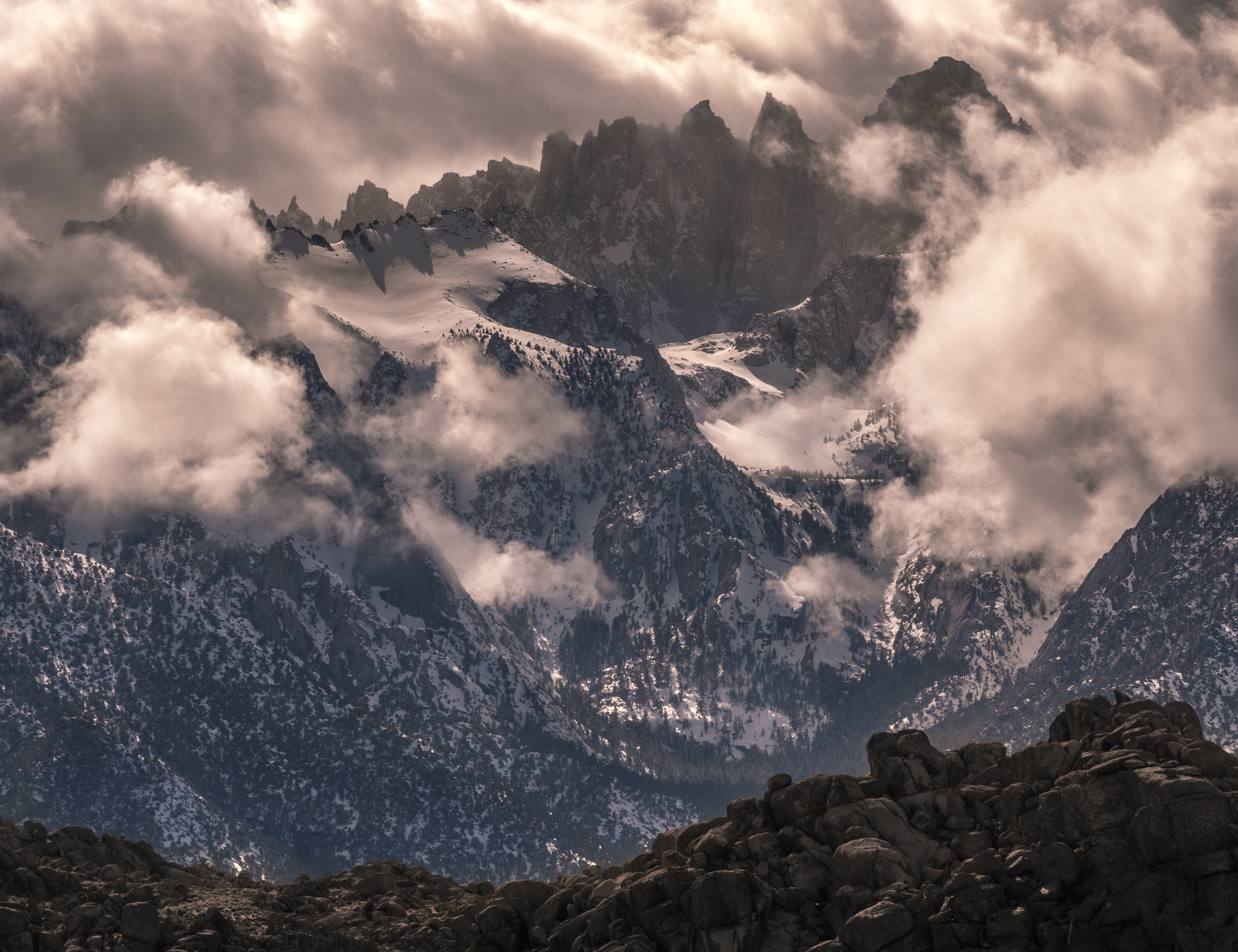
 I arrived mid afternoon and headed right into the Alabama Hills to take a walk and begin my exploration. The area is very unique as the features of the hills would be familiar in Utah with large rock formations and arches in a beautiful palette of color but these are also foothills to the beautiful range of the Sierras that include Lone Pine Mountain and the highest peak in the lower 48, Mt. Whitney. I scouted around and found a few of the sites I had researched and while doing this my gaze kept being drawn to the show of the clouds that were dancing in and around Whitney teasing by revealing the mountain only to moments later obscure the peak with clouds. Though the sun was high I set up the tripod as I was pulled to capture the scene using a long lens to pull in close to Whitney. The color balance of the raw file was very blue as will happen when photographing distant mountains in snow so in post I desaturated the blue to let the warmth of the face of the peaks come forward a little. I like looking at this image as I feel the power of the mountain overlooking the desert bellow. Highest
The rest of the afternoon I wandered off piste climbing over and around the fields of rock formations enjoying the solitude. At one point I began to feel a presence and what popped into my mind was cougar. A few steps later in a little draw I looked down a saw a perfectly formed paw print about 4″ in diameter. Needless to say my awareness heightened as I enlarged my presence and continued to explore. In a few places I spotted these beautiful red wildflowers growing from the rock so I set about composing a shot. I could have just ‘taken a picture’ of a flower but challenged myself to put it into as much context as I could by including the view off to the horizon. The challenge with this was the flowers were inches from the lens, too close that even closing the aperture of the lens down to gain more depth of field wasn’t enough, so I set about getting everything in focus by doing a focus stack. The GFX has an in camera solution for focus stacking but I haven’t had the results that I have wanted using it so I took three images to combine later focusing on the flowers, the mid-ground and the horizon. In post I processed each image to balance color and exposure before taking them into photoshop and combining them using layer masking.
 Tripods are very flexible tools if you allow yourself to think outside the box of its typical use. I knew I wanted the camera to be close to the flowers placing them in the lower left corner of the frame so I had to splay the legs out as much as I could while creating stable support for the camera but this still had the camera too high. I removed the center post and hung the camera underneath the tripod upside down. I have a setting in camera that tells the display to rotate so I was able to compose the image right side up though I am used to seeing my scenes on the ground glass of my 4 x 5 upside down and backwards. Lone Flower
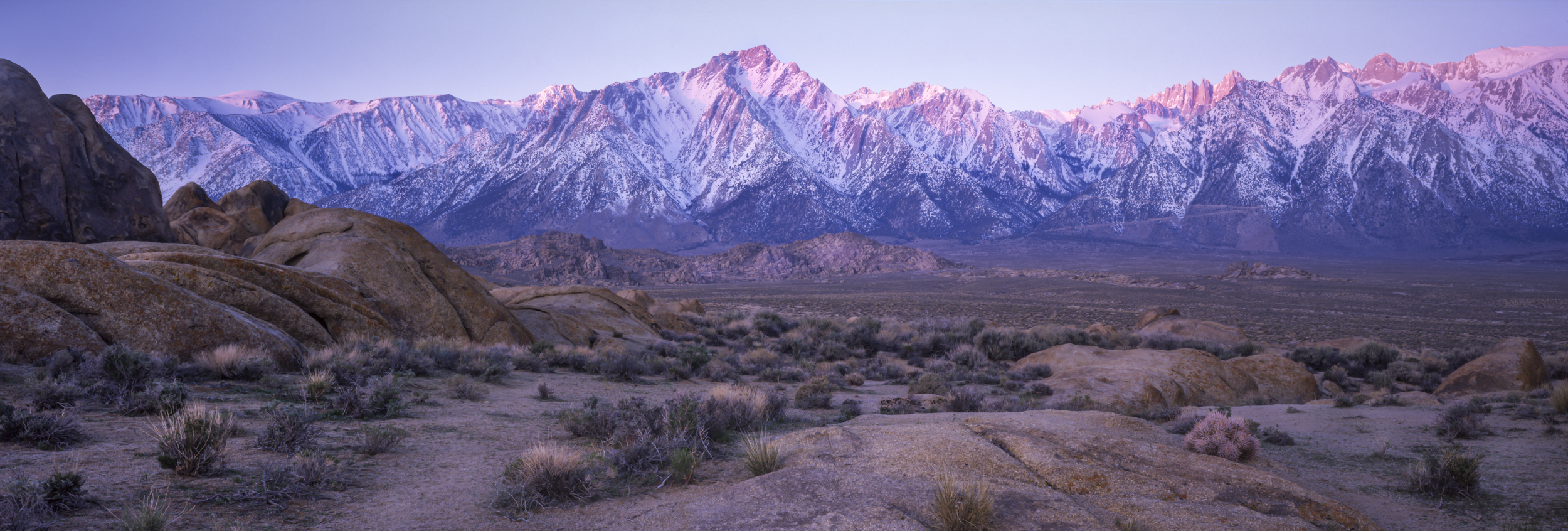
The following morning in the dark I returned to a location with the idea to capture the mountains in alpenglow as the sun first rose over the range to the east. As I approached the location I saw that there were already four photographers lined up on top of a big rock to shoot through the arch shown below to the mountains beyond.  Not wanting to be in a crowd I said hello and ventured off to a lessor known arch to see what I could put together. I was happy to find it and have it to myself. The arch was small and not that high and directly behind the arch was a narrow trench so again I was challenged to find a way to set up the tripod and compose the scene and also be able to get behind the camera in the narrow trench. It was literally a balancing act as I had to turn one foot to the left so it would fit into the trench. The morning was profoundly still and quiet as I prepared the camera and explored compositions settling on the obvious application of a 6 x 17 panorama.
 The almost full moon was shining above the mountains and providing enough light for me to work. When I was ready to check focus with a test exposure the moon was blocked out of the frame behind the arch. I exposed the scene for 40 seconds for there to be enough detail to zoom in on the display and check to see that all was in focus. I had Lone Pine Mountain centered under the apex of the top of the arch and the layers of different colors in the fore and mid-ground leading to the focal point of the mountain. Satisfied with the focus I moved on not giving much thought to the image I had just taken. It wasn’t until I later reviewed it on my computer that I saw it was special. In Moonlight has become a favorite and is currently on display at the Hillcrest Center for the Arts in Thousand Oaks.
The third image shown in the slideshow was the one that I had initially set out to capture, Alpenglow at the Arch. Since the moon had dropped into my frame I recomposed the scene to bring it and Whitney more into focus. The alpenglow didn’t disappoint bathing the mountains in incredible warm beautiful light. As I watched the moon slide further down the horizon I starting asking myself, with some surprise since I didn’t research ahead of time where the moon would set, is it going to set right at the top of Whitney? Thinking that it might I changed the lens from the wide lens I had on to a long lens that would reach across the desert to close in on Whitney. I snapped a few images to check focus and composition as I excitedly watched the moon get closer and closer to the top peak of the mountain. I soon knew that I was going to get something really special exposed in my camera. Moon Over Whitney is also on display at the Hillcrest Gallery for the Arts for the next month.
It was truly a deeply satisfying morning and as I packed up I felt so much appreciation for the opportunity to witness such beauty and be able to hopefully create an expression through the photographs to share.
 After exploring a site for the following morning I returned to the room for breakfast and some rest. Then it was time to grab some street tacos to take for lunch and hit the road for Death Valley. When I am on these trips and go out for pre-dawn and then again for the afternoon, these days sometimes occur to me as two. They are certainly long! The trip to Death Valley from Lone Pine takes about an hour and a half dropping down to below sea level from over 5000 feet not once but twice as the route along HWY 190 takes you first to Panamint Springs and then up and over into Death Valley. Along the way after feeling mellow while listening to some great music I had my adrenal glands severely exercised when up on top of 190 before I was about to drop down into the first canyons that descend down into the valley, an F16 dive bombed me from behind. Though I heard something a couple of seconds before it was on top of me, it came all at once in a fury of deafening noise and vibration as it pulled up 100 feet over my head while I looked up at the flame coming from the single jet exhaust. I was still buzzing well over an hour later when I pulled up to my destination at the dunes I was going to explore. I stopped off at one of two lookouts overlooking the deep canyon that various types of military aircraft fly through several times a day. It is a thing. The overlooks were packed with people with their cameras waiting to catch the next flight through the canyon. There are some good videos on Youtube that you can check out.
 Needless to say after such a peaceful morning this experience was quite a jolt so I was looking forward to taking a hike into the dunes and soothing my nerves. It was still kind of early in the afternoon so I knew I would have plenty of time to find an image. The immediate area where I parked was typically pretty busy with visitors so I headed off in a direction away from the crowds staying near the harder ground between the dunes and the highway so I wouldn’t be walking in sand the whole way. This saved my legs carrying my heavy pack as well as keeping my prints out of the sand that others might want to photograph. I walked for a couple of miles and then turned into the dunes and shortly found a composition to shoot which was to be another pano using a 6 x 17 120mm roll back for the 4 x 5 and my 150mm lens. Dunes offer almost endless possibilities for compositions and really just a joy to explore.
I took some time to set up the camera and get the composition set and the scene focused. I still  had an hour or so before the light would mellow and warm the sand so I kicked back for a rest. As the afternoon progressed high clouds started to move over the western sky where the sun would set and opposite of where the camera was pointed. I had a concern that as the sun went behind the clouds the light would grey out and go flat. I was hoping for late golden hour light to warm the dunes. As the shadows grew long, the light did soften due to the clouds but in kind of a soft box type of way. I loaded the roll-back up with Velvia 50 and started to meter the scene. I get four exposures from a roll of 120 in the 6 x 17 format. I exposed the first roll but as is typical for me when the light is changing at the end of the day I wanted to continue to expose film and be ready with some film if the light got dramatic so I loaded another roll into the
 camera. The image I have shared in the slideshow above, Swirl, stood out in that the dunes did catch a bit of direct golden hour light that helped them to stand forward of the more subdued mountains in the background. Within moments the light was done as the sun became lost behind the veil of the high clouds in the west. As I said before, the day felt like two, especially now as the daylight wained and I still had a hike to get back to the jeep and then a drive to get back to Lone Pine. As I walked back I was feeling grateful for the day that offered quiet, solitude, so many beautiful scenes and another great opportunity to continue my journey into the art of photography. Soon I started thinking about pizza so it was a race against the clock to get back to town before the pizza place closed.

I hope you have enjoyed this journal article even though it is still and not moving and talking to you. I enjoy writing almost as much as I enjoy reading so for me this is a fun way to share these outings with you. I am sure that there will be more video journals in the future, especially when Lisa is able to join me as she is so much fun to include in them. I thank you for taking the time to read this and will have more for you from this trip soon. As always I welcome your comments or questions and if you have subscribed please do!